The AI Revolution: Transforming Jobs and Unlocking Investment Opportunities
AI is reshaping jobs, industries, and investment opportunities. Here is how investors can track the winners, manage risks, and position for long-term growth.
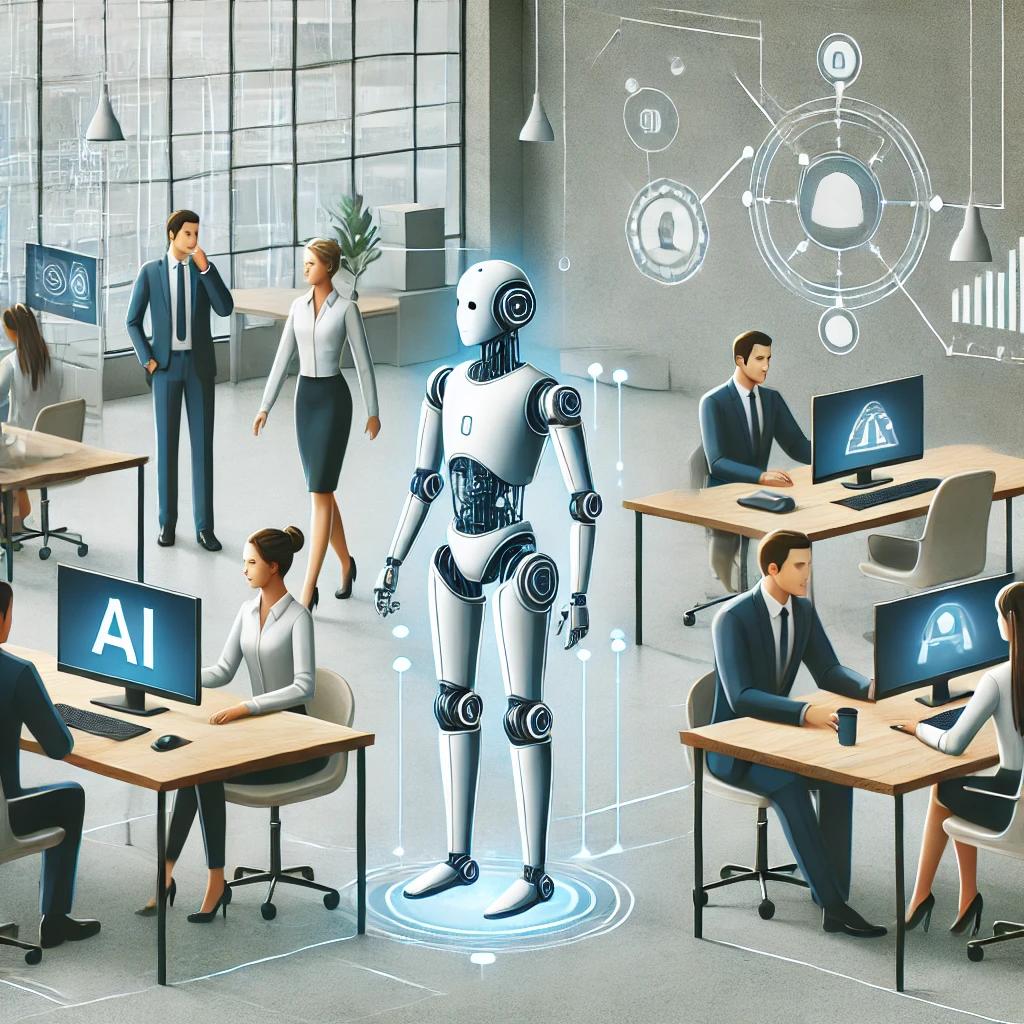
The rise of artificial intelligence (AI) is reshaping the world at an unprecedented pace. According to PwC, AI could contribute $15.7 trillion to the global economy by 2030, redefining industries and creating entirely new career paths. While some fear widespread job displacement, others see it as an era of opportunity. For investors, understanding AI's impact on the job market is essential to identifying the next big opportunities. AI is more than just a trend. It is a transformative force that will define the next decade.
AI's double-edged sword: creation and disruption
Will AI steal jobs? Yes, and no. A World Economic Forum report predicts that while AI could displace 85 million jobs by 2025, it will also create 97 million new roles. Automation is set to replace repetitive tasks, but it will not eliminate work. It will transform it.
Tasks like data entry, basic customer service, and assembly line work are already being automated. At the same time, new roles in AI ethics, machine learning engineering, and augmented reality design are emerging. Human creativity, strategic thinking, and interpersonal skills will remain indispensable.
Industries in the spotlight
Winners: sectors set to thrive
Certain industries are poised to benefit from the AI boom.
- Technology: NVIDIA reported a 101% revenue increase in its AI-focused segment in 2024. Microsoft Azure AI shows how tech leaders are monetizing AI at scale.
- Healthcare: AI-driven diagnostics like IBM Watson Health have improved early disease detection by 30%. Biotech firms using AI for drug discovery are gaining momentum.
- Education: Personalized learning platforms such as Duolingo and AI-driven adaptive learning systems are gaining popularity, with Duolingo reporting 62% user growth after AI integration.
- Renewable energy: AI is helping optimize energy usage. Google's DeepMind AI reduced data center energy consumption by 40%, highlighting its potential in clean tech.
Losers: sectors facing pressure
Not all industries will ride the AI wave smoothly. Some sectors will face significant disruption and job losses.
- Manufacturing: Foxconn replaced over 60,000 workers with robots in its factories.
- Retail: Companies like Walmart and Amazon have deployed self-checkout and automated warehouses, reducing the need for traditional retail staff.
- Customer service: AI chatbots now handle over 85% of customer interactions in major telecom companies, reducing demand for entry-level roles.
- Finance: Robo-advisors like Betterment and Wealthfront manage portfolios worth billions, replacing human advisors for basic investment needs.
Opportunities for investors
The AI boom presents investment opportunities across the stack. Companies producing AI infrastructure, applying AI in real-world scenarios, and platforms for reskilling workers are particularly promising.
- Infrastructure giants: NVIDIA and AMD lead AI hardware, while Amazon Web Services dominates AI cloud services.
- Application innovators: Tesla's autonomous driving efforts and Intuitive Surgical's robotic surgery systems show how AI applications can reshape industries.
- Education and reskilling: Coursera and LinkedIn Learning are seeing surges in AI and machine learning enrollments, addressing the global reskilling need.
- AI ETFs: Funds like Global X Robotics & Artificial Intelligence ETF (BOTZ) offer diversified exposure to the AI sector.
The bigger picture: societal impact
AI is not just transforming jobs. It is reshaping society. Ethical considerations like algorithmic bias, data privacy, and wealth inequality are becoming central issues. Companies prioritizing responsible AI, such as Salesforce with its AI ethics board, may earn public trust and become more attractive investments.
As AI integration continues, it will redefine how we work and live. From smarter cities to personalized healthcare, its influence will touch every corner of our lives. For example, AI is being used in urban planning to predict traffic patterns and reduce congestion, as seen in Singapore's smart city initiatives.
Bottom line
The AI revolution is a gold rush for those ready to adapt. By identifying companies at the forefront of innovation and understanding societal shifts, investors can turn disruption into opportunity.
AI's transformative power will reshape industries, redefine jobs, and offer vast opportunities for growth. For those prepared to embrace this evolution, the potential rewards are immense. The key lies in understanding its dynamics, anticipating trends, and positioning investments strategically.